Troubleshooting Common Issues with Vacon Variable Frequency Drives
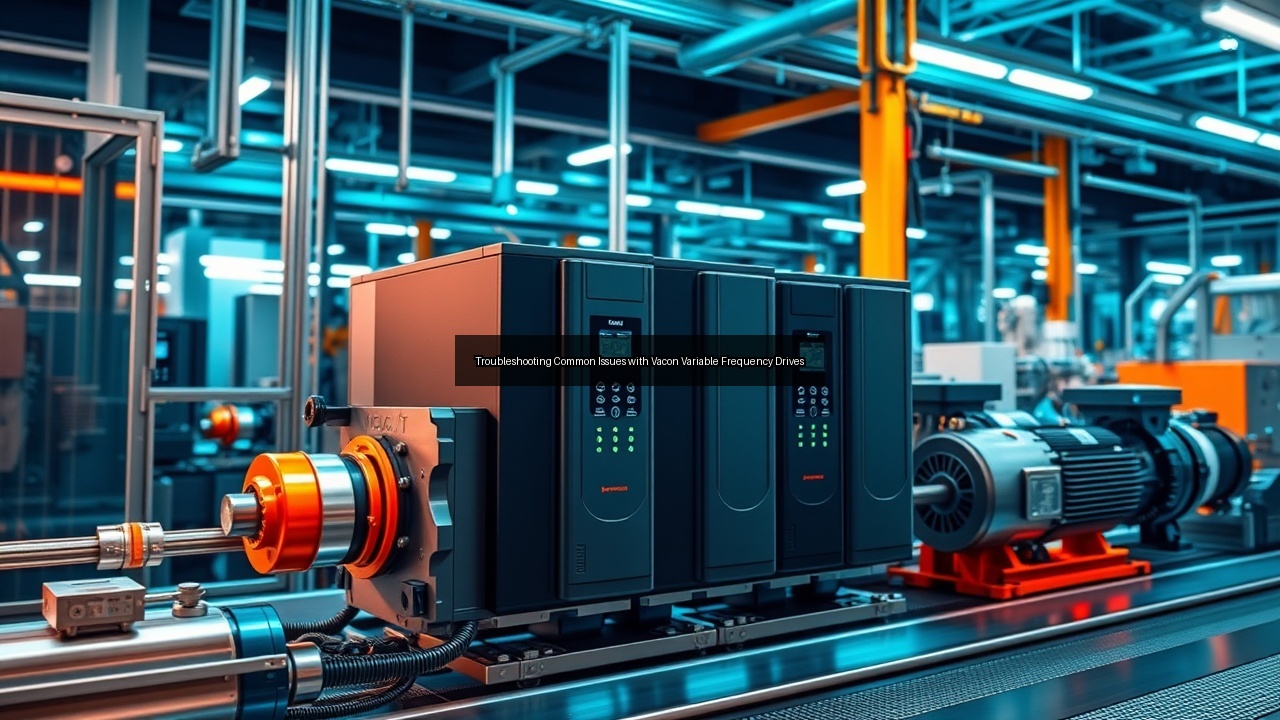
Understanding Vacon Variable Frequency Drives
Overview of Vacon Drives
Vacon drives, a renowned brand in the field of variable frequency drives (VFDs), offer advanced solutions for controlling electric motors. These drives play a crucial role in various industries, including HVAC and manufacturing, by enabling precise control over motor speed and torque. Vacon specializes in creating user-friendly, energy-efficient AC drives that contribute to reduced operational costs and enhanced system performance. Their variable speed drives allow businesses to optimize motor operations, leading to improved energy savings and operational efficiency. With a strong focus on innovation, Vacon continues to develop solutions that meet the evolving needs of modern industrial applications.
Key Components of Vacon AC Drives
Understanding the key components of Vacon AC drives provides insight into their functionality and efficiency. A typical Vacon drive consists of several essential parts: the power section, control section, and user interface. The power section converts incoming AC power into a variable frequency output, essential for adjusting motor speed. The control section processes signals from sensors and user inputs to manage motor performance, employing advanced algorithms for optimal operation. The user interface, often equipped with digital displays and buttons, enables operators to configure settings and monitor performance in real-time. These components work together seamlessly, ensuring that Vacon drives deliver reliable and efficient motor control.
How Vacon Drives Function with Electric Motors
Vacon drives function by modulating the frequency and voltage supplied to electric motors, allowing for precise speed control. By varying the output frequency, these drives can accelerate or decelerate motors without causing mechanical stress, which prolongs equipment life. This capability is especially beneficial in HVAC systems, where variable speed drives can adjust fan speeds based on demand, reducing energy consumption. Additionally, Vacon drives incorporate features like soft start and stop, minimizing the mechanical wear and tear on motors. The integration of feedback systems allows for continuous monitoring and adjustments, ensuring optimal performance and efficiency throughout the operational lifecycle.
Common Issues with Vacon Drives
Electrical Faults in VFDs
Electrical faults represent one of the most common issues encountered with Vacon variable frequency drives. These faults can arise from a variety of sources, including power supply fluctuations, wiring errors, and component failures. When voltage levels exceed the drive's ratings, it can trigger protective measures, resulting in faults that halt operations. Short circuits or overloads may also lead to overheating, causing the drive to shut down. Regular monitoring of electrical parameters and employing surge protection mechanisms can mitigate these risks. Understanding the specific electrical characteristics of Vacon drives is crucial for diagnosing and resolving these issues effectively.
Mechanical Problems with Motors
Mechanical issues in motors often manifest as vibrations, unusual noises, or overheating. These problems can stem from improper installation, misalignment, or insufficient lubrication. When Vacon drives control motors, any mechanical fault can lead to inefficient operation and increased wear. For instance, misalignment can cause the motor to draw excessive current, potentially leading to thermal overload. Regular maintenance checks are essential for identifying mechanical issues before they escalate into costly repairs. Ensuring proper alignment and lubrication, along with monitoring motor performance metrics, can significantly reduce the incidence of mechanical failures associated with Vacon drives.
Software and Configuration Errors
Software and configuration errors can disrupt the operation of Vacon AC drives. These errors often actuators occur during initial setup or after modifications to the system. Incorrect parameters, such as motor type or control mode, can lead to unpredictable behavior. Additionally, firmware issues may arise if the drive requires an update or if there are compatibility problems with connected devices. To address these issues, operators should familiarize themselves with the configuration process and maintain accurate documentation of settings. Regular updates to the drive's software can also help prevent potential errors and ensure optimal performance of the Vacon drives.
Troubleshooting Techniques for Vacon Variable Frequency Drives
Step-by-Step Diagnostic Process
A structured diagnostic process simplifies troubleshooting Vacon variable frequency drives. Begin with a thorough inspection of the installation, checking for loose connections or damaged wiring. Next, review the drive's display for error messages or fault codes that provide insight into the issue. Conduct a systematic evaluation of power input, motor connections, and settings. If the drive is unresponsive, resetting it may clear temporary faults. Document each step taken to identify patterns or recurring issues, which can aid in future diagnostics. Following this methodical approach not only resolves immediate problems but also enhances understanding of the Vacon drive's behavior over time.
Utilizing Built-in Diagnostic Tools
Vacon drives come equipped with built-in diagnostic tools that streamline the troubleshooting process. These tools provide real-time data on operational parameters, including voltage, current, and temperature readings, allowing operators to quickly identify potential issues. Many models feature advanced self-diagnostic capabilities, which can automatically detect faults and suggest corrective actions. Accessing these tools often involves navigating the user interface, where operators can view detailed reports on drive performance. Regular use of these diagnostic features not only aids in immediate troubleshooting but also contributes to long-term maintenance by providing insights into drive health and performance trends.
Common Error Codes and Their Meanings
Understanding common error codes displayed by Vacon drives is essential for effective troubleshooting. Each code represents a specific fault condition, helping technicians quickly identify the source of the problem. For example, an “overcurrent” error may indicate that the motor is drawing too much current, potentially due to mechanical issues or misconfiguration. “Overtemperature” codes signal that the drive or motor is overheating, necessitating an evaluation of cooling mechanisms. Familiarity with these codes allows for swift action, minimizing downtime and ensuring that operations resume smoothly. Vacon provides comprehensive documentation on error codes, which should be readily accessible to all operators and maintenance personnel.
Preventive Measures and Maintenance for Vacon AC Drives
Regular Maintenance Practices
Implementing actuators regular maintenance practices ensures the longevity and reliability of Vacon AC drives. Routine inspections should include checking connections, cleaning dust and debris from the drive and motor, and verifying that cooling fans are operating efficiently. Operators should also monitor performance metrics like temperature and vibration levels, comparing them against manufacturer specifications. Scheduled maintenance intervals can help catch issues early, preventing costly repairs and extended downtime. By establishing a comprehensive maintenance plan, organizations can maximize the performance of their Vacon drives, ultimately leading to smoother operations and reduced energy consumption.
Best Practices for Optimizing Performance
Optimizing the performance of Vacon drives involves several best practices that enhance efficiency and reliability. Operators should ensure that the drive is correctly configured for the specific motor and application, as incorrect settings can lead to inefficiencies. Regularly updating the drive's software and firmware enhances functionality and security. Additionally, employing energy-saving modes when full power is not necessary can significantly reduce operational costs. Training staff on best practices for operating and maintaining Vacon drives is essential; well-informed personnel can quickly identify and address potential issues, thereby maximizing the overall effectiveness of the system.
Training Staff on Vacon Drive Operations
Effective training for staff on Vacon drive operations forms the backbone of successful implementation and maintenance. Operators must understand the functions of the drives, including how to interpret diagnostic tools and respond to error codes. Comprehensive training sessions should cover installation, configuration, troubleshooting, and maintenance practices. Engaging staff in hands-on training fosters confidence and competence, ensuring they can address issues as they arise. Additionally, ongoing education about emerging technologies and updates to Vacon drives keeps personnel informed, enhancing their ability to optimize operations and contribute to overall system performance. Investing in staff training pays dividends in efficiency and reliability.