Exploring the Best Electrode Options for Track Welders
Understanding Track Welders and Their Applications
Overview of Track Welding Machines
Track welders represent a specialized category of welding machines designed for precise and efficient welding along a predetermined path. These machines employ a track system that guides the welding head, ensuring consistent results and high-quality welds, particularly in demanding industrial environments. Track welding machines are widely used in sectors such as construction, shipbuilding, and manufacturing, where the integrity of welds is crucial. By automating the welding process, these machines reduce labor costs and enhance productivity, making them indispensable in modern fabrication processes.
Key Components of Track Welding Equipment
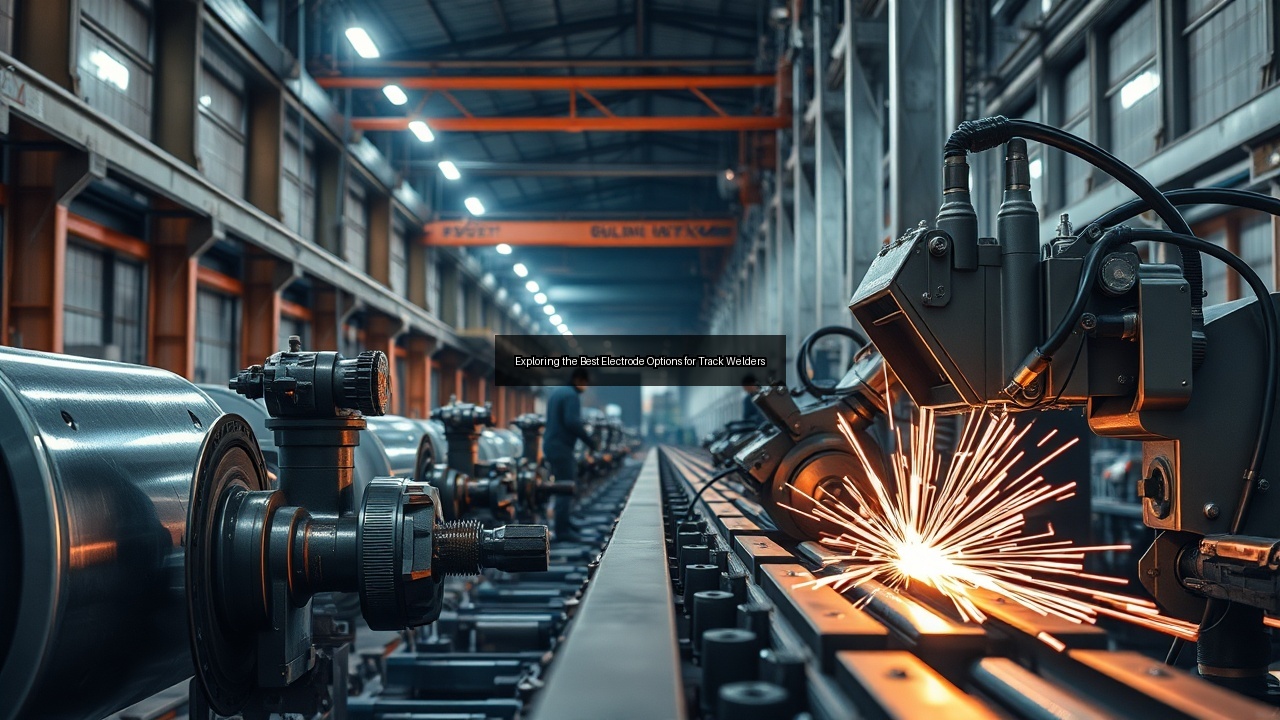
A track welder consists of several essential components that work together to deliver optimal performance. The primary elements include the welding machine itself, a track or rail system, and a welding head equipped with an electrode. The track allows for precise movement along the workpiece, while the welding head can be fitted with various types of electrodes, such as ceramic or wire, depending on the application. Additionally, many track welders incorporate oscillators to improve the welding technique by creating a controlled oscillation pattern. This enhances the quality of the weld and ensures thorough penetration, which is critical for structural integrity.
Benefits of Using Track Welders in Various Industries
The benefits of using track welders extend across multiple industries. First, their ability to produce uniform and high-quality welds significantly reduces the likelihood of defects, which can lead to costly rework. This high level of precision translates into improved safety and reliability in structures, especially in sectors like aerospace and automotive manufacturing. Moreover, track welding machines increase efficiency by speeding up the welding process and minimizing downtime. Their automation capabilities allow operators to focus on other critical tasks, thereby enhancing overall productivity. The versatility of track welders makes them suitable for various applications, from heavy machinery repairs to the construction of intricate steel structures.
Types of Electrodes for Track Welding
Ceramic Electrodes: Advantages and Applications
Ceramic electrodes are among the popular choices for track welding due to their superior thermal resistance and durability. These electrodes can withstand high temperatures, making them ideal for applications that involve heavy-duty welding. Their ability to maintain a consistent arc and produce clean welds contributes to their widespread use in industries requiring high precision. Ceramic electrodes also reduce spatter, which simplifies cleanup processes and enhances the overall quality of the weld. Their application spans various sectors, including shipbuilding and pipeline construction, where robust welds are essential for structural integrity. The longevity of ceramic electrodes also contributes to lower replacement costs, making them a wise investment for businesses focused on return on investment.
Wire Electrodes: Benefits for Efficiency
Wire electrodes offer distinct advantages in terms of efficiency and speed. These electrodes facilitate a continuous feeding process, allowing for rapid welding without frequent interruptions. This characteristic makes wire electrodes particularly suitable for high-volume production environments. Moreover, they can be utilized in multiple welding techniques, including MIG and TIG welding, providing flexibility to operators. The ease of use associated with wire electrodes contributes to shorter training times for new welders, further enhancing productivity. Additionally, the smooth operation of wire electrodes minimizes the risk of defects, ensuring a high-quality finish. When selecting electrodes for track welding, businesses often consider wire options for their potential to maximize throughput and reduce operational costs.
Selecting the Right Electrode for Your Welding Machine
Choosing the right electrode for your welding machine involves several considerations. First, assess the specific requirements of your project, including the materials being welded and the desired weld quality. Different electrodes, such as ceramic and wire, offer unique benefits tailored to various applications. For instance, ceramic electrodes excel in high-temperature environments, while wire electrodes provide versatility and speed. Additionally, consider the compatibility of the electrode with your track welding equipment. Each welding machine has specifications that dictate which electrodes can be used effectively. Consulting the manufacturer’s guidelines ensures optimal performance and longevity of both the electrode and the welding machine. Ultimately, the right electrode choice can significantly impact the efficiency and quality of your welding operations.
Maximizing Efficiency with the Right Electrodes
Impact of Electrode Choice on Welding Quality
The choice of electrode directly influences the quality of the weld produced by track welders. High-quality electrodes lead to cleaner, stronger welds with fewer defects. For instance, using ceramic electrodes can enhance penetration and reduce the occurrence of porosity in welds. Conversely, subpar electrodes may result in weak joints, necessitating costly rework and compromising the overall integrity of the project. Additionally, the type of electrode affects the heat distribution during welding. Proper heat management is crucial for achieving optimal fusion between the base materials. Investing in high-quality electrodes tailored to specific welding tasks can significantly elevate the quality of production and minimize the risk of failures in critical applications.
Return on Investment: Choosing the Best Electrode
Selecting the best electrode for track welding not only impacts the quality of the weld but also the overall return on investment (ROI) for welding operations. Quality electrodes tend to last longer and produce fewer defects, reducing material waste and rework costs. Furthermore, efficient electrodes can speed up the welding process, resulting in increased throughput and more projects completed in a shorter time. This efficiency translates into higher profitability for businesses. When evaluating electrode options, consider the balance between upfront costs and long-term benefits. Investing in superior electrodes may incur higher initial expenses but will yield significant savings over time through improved efficiency and reduced operational costs.
Comparative Analysis of Different Electrode Types
Conducting a comparative analysis of different electrode types reveals significant insights into their respective advantages and drawbacks. Ceramic electrodes offer durability and resistance to high temperatures but may require more careful handling due to their brittle nature. On the other hand, wire electrodes provide speed and versatility, making them ideal for rapid production environments. They may, however, require more frequent replacement in certain applications. Businesses should weigh these factors based on their specific welding needs and operational goals. For example, if precision and heat resistance are paramount, ceramic electrodes may be the preferred choice. Conversely, for high-speed operations, wire electrodes may present the most efficient solution. Understanding the unique characteristics of each electrode type empowers businesses to make informed decisions that enhance productivity and quality.
Leading Brands and Innovations in Track Welding
Gullco International: Pioneers in Track Welding Technology
Gullco International stands at the forefront of track welding technology, consistently delivering innovative solutions that meet the evolving needs of industries worldwide. Renowned for their commitment to quality and performance, Gullco has developed a range of track welding machines and electrodes designed to enhance welding efficiency and effectiveness. Their products incorporate advanced features such as programmable controls, which allow for precise adjustments and improved automation. This focus on innovation positions Gullco International as a leader in the track welding market, continually pushing the boundaries of what is possible in welding technology. Customers trust Gullco for reliability, ensuring that their welding operations run smoothly and efficiently.
Innovations in Oscillation and Connecting Rod Design
Innovations in oscillation and connecting rod design have significantly enhanced the capabilities of track welders. Modern oscillators allow for controlled movement during welding, improving the quality of the weld bead and ensuring thorough penetration. This precise oscillation minimizes the risk of defects and enhances the overall integrity of the weld. Additionally, advancements in connecting rod design have improved the stability and performance of welding machines, allowing them to operate more effectively in demanding environments. These innovations contribute to greater efficiency and reliability in track welding applications, making it essential for businesses to stay updated on the latest technological advancements to maintain a competitive edge.
Future Trends in Track Welding Equipment
Future trends in track welding equipment point towards increased automation and integration of smart technologies. The rise of Industry 4.0 emphasizes the need for machines that can communicate and adapt to changing conditions in real-time. Expect to see track welders equipped with sensors and AI-driven analytics that optimize welding parameters automatically, enhancing overall efficiency and quality. Moreover, advancements in materials science may lead to the development of new electrode types that offer improved performance and longevity. As industries continue to evolve, staying abreast of these trends will be critical for manufacturers and fabricators aiming to maximize their welding operations and drive sustainability in their processes.