Best Practices for Maintaining Your Commercial Dehumidifier
Understanding Commercial Dehumidifiers
What Are Commercial Dehumidifiers?
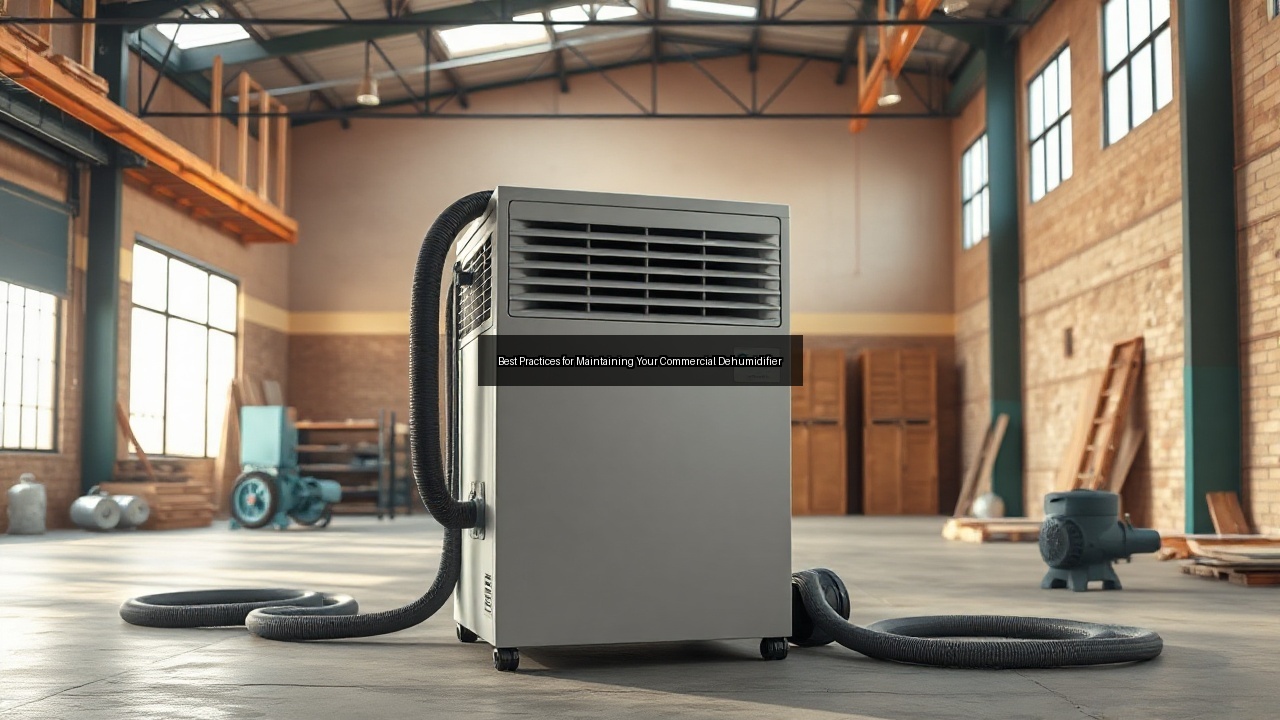
Commercial dehumidifiers are specialized units designed to control humidity levels in larger spaces such as warehouses, construction sites, spas, and other environments where moisture accumulation poses a problem. Unlike residential dehumidifiers, commercial models feature robust construction, higher capacity, and enhanced durability. They can extract pints of moisture from the air efficiently, ensuring optimal humidity control. These units cater to various applications, from preventing mold growth in humid environments to maintaining comfortable conditions in HVAC systems. Selecting the right commercial dehumidifier involves assessing the space’s specific moisture needs and the unit’s ability to handle those demands effectively.
How Dehumidification Works
Dehumidification involves removing moisture from the air to create a healthier and more comfortable environment. Commercial dehumidifiers operate using a refrigeration process that cools the air, causing moisture to condense and collect in a reservoir or drain out of the unit via a hose. This process often involves a fan that circulates air over the evaporator coil, where the moisture condenses. The dehumidified air then passes over the condenser coil, warming it back up before being expelled into the space. This cycle continues until the desired humidity level is achieved, effectively controlling humidity and preventing issues like mold, mildew, and structural damage.
Key Features to Look For in Commercial Units
When selecting a commercial dehumidifier, several critical features warrant consideration. Firstly, the unit's capacity, often measured in pints per day, directly correlates with its efficiency in larger spaces. A higher capacity unit can handle significant moisture loads, making it suitable for more demanding environments. Secondly, energy efficiency plays a vital role; units with Energy Star ratings are designed to consume less electricity while maintaining performance. Additional features to consider include built-in pumps for continuous drainage, adjustable humidity settings, and portability options, which enhance usability in various commercial settings. A robust airflow system is also essential to ensure optimal circulation and effective moisture removal.
Best Practices for Maintenance
Regular Cleaning and Filter Replacement
Maintaining a commercial dehumidifier hinges on regular cleaning and timely filter replacements. Dust and debris can accumulate in filters, obstructing airflow and reducing the unit’s efficiency. Experts recommend checking and replacing filters at least every three months, or more frequently in dusty environments. Cleaning the exterior and interior components, including the fan and coils, enhances performance and prolongs the lifespan of the unit. Neglecting these tasks can lead to decreased efficiency and increased energy costs, undermining the device's purpose of humidity control. Regular maintenance not only ensures optimal operation but also prevents potential issues such as mold growth, which can thrive in poorly maintained environments.
Checking and Optimizing Airflow
Airflow significantly impacts the effectiveness of a commercial dehumidifier. Ensure that the unit is positioned correctly, allowing for unobstructed air circulation. Avoid placing the dehumidifier in corners or behind obstacles that can hinder airflow. Regularly inspect the air intake and exhaust vents for blockages caused by dust or debris. Optimizing airflow ensures that the dehumidifier can efficiently remove moisture from the air, enhancing its performance and energy efficiency. For larger spaces, consider using multiple units to achieve uniform humidity control, ensuring that all areas benefit from effective moisture management. Proper airflow management is crucial for maintaining the desired humidity levels and preventing the proliferation of mold and mildew.
Inspecting the Drainage System: Pumps and Hoses
The drainage system of a commercial dehumidifier plays a crucial role in its operation. Regularly inspect the hoses and pumps to ensure they function correctly and are free from blockages. Clogged hoses can cause water to back up, leading to leaks and potential flooding, which can damage the surrounding area and the dehumidifier itself. Check connections for any signs of wear or damage and replace components as necessary to maintain a reliable drainage system. Many commercial units feature built-in pumps that facilitate continuous drainage, but even these systems require periodic maintenance to operate effectively. Keeping the drainage system in top condition is essential for preventing water damage and maintaining optimal humidity control.
Monitoring Humidity and Performance
Using Humidity Sensors for Optimal Control
Employing humidity sensors allows for precise monitoring of moisture levels in commercial spaces. These sensors provide real-time data, enabling adjustments to the dehumidifier settings for optimal performance. Many modern commercial dehumidifiers come with built-in sensors that automatically adjust operation based on humidity levels. By maintaining the desired humidity range, businesses can prevent issues related to excess moisture, such as mold growth and structural damage. Additionally, integrating humidity sensors with HVAC systems enhances overall climate control, ensuring a comfortable environment for occupants while improving energy efficiency. Regularly checking and calibrating sensors is essential for maintaining accurate readings and effective humidity management.
Understanding CFM and Its Importance
CFM, or cubic feet per minute, measures the airflow rate of a dehumidifier and is a crucial factor in determining its effectiveness. A higher CFM rating indicates that the unit can circulate more air, leading to quicker moisture removal. For commercial spaces, choosing a dehumidifier with an appropriate CFM rating ensures that the unit can handle the volume of air in the area effectively. A dehumidifier with insufficient airflow may struggle to maintain desired humidity levels, resulting in prolonged moisture issues. When evaluating commercial dehumidifiers, consider the CFM relative to the size of the space to ensure optimal humidity control and air circulation.
Evaluating Energy Efficiency with Energy Star Ratings
Energy efficiency is a critical consideration for businesses investing in commercial dehumidifiers. Units that earn Energy Star ratings meet stringent efficiency guidelines set by the Environmental Protection Agency. These dehumidifiers consume less energy while delivering high performance, reducing operational costs. Evaluating energy efficiency not only benefits the bottom line but also supports environmental sustainability efforts. Businesses can achieve substantial savings on energy bills by selecting Energy Star-rated dehumidifiers. Additionally, many models offer features like programmable timers and adjustable humidistats, further enhancing their energy-saving capabilities. Investing in energy-efficient units leads to improved moisture control without sacrificing performance.
Troubleshooting Common Issues
Identifying and Preventing Mold Growth
Mold growth poses a significant threat in humid environments, making proactive measures essential. Regularly monitor humidity levels and maintain them below 60% to prevent mold spores from thriving. Inspect areas prone to moisture accumulation, such as corners, ceilings, and behind equipment, for signs of mold. Should mold be detected, address it immediately with appropriate cleaning solutions. Additionally, ensure that the dehumidifier operates effectively, as inadequate moisture removal can contribute to mold proliferation. Incorporating proper ventilation and utilizing air purifiers can further enhance air quality, creating an environment less conducive to mold growth.
Handling Flooding Scenarios
In cases of flooding, swift action is crucial to mitigate damage. Immediately activate the commercial dehumidifier and ensure it is set to maximum capacity to expedite moisture removal. If the unit features a built-in pump, utilize it to drain excess water effectively. Inspect the drainage system for clogs or blockages that may hinder performance. In severe flooding scenarios, consider employing additional dehumidifiers to cover larger areas and enhance drying rates. Following the flooding event, monitor humidity levels closely to ensure they return to safe ranges. Prompt and effective response minimizes damage and helps restore normal conditions swiftly.
Managing Sound Pressure Levels in Commercial Settings
Commercial environments often require quiet operations, particularly in settings like offices or spas. Sound pressure levels generated by dehumidifiers can become a concern if units are not properly selected or maintained. When choosing a commercial dehumidifier, consider models designed for low noise operation. Look for specifications that detail sound pressure levels, typically measured in decibels (dB). Regular maintenance, including cleaning the fan and checking for loose parts, helps reduce noise levels. If sound becomes an issue, consider repositioning the unit or utilizing sound-absorbing materials in the surrounding area to minimize disturbance while maintaining effective humidity control.
See Also
- The Benefits of Investing in a High-Capacity Commercial Dehumidifier
- The Essential Guide to Choosing the Best Commercial Dehumidifier
- How Humidity Control Can Improve Your HVAC System Efficiency
- Combatting Mold Growth in Construction Sites with Effective Commercial Dehumidification Solutions
- Exploring Different Types of Commercial Dehumidifiers for Various Needs